Every year on 16 June, South Africa pauses to remember one of the most significant dates in the country’s calendar: the Soweto Uprising of 1976 when thousands of black school students took to the streets to protest the apartheid government’s decree that Afrikaans – the language of the oppressor – should be the official medium of instruction.
It was a defining moment in the apartheid struggle and today, instead of being remembered as the dark day young people were told their voices did not matter, June 16 is known as Youth Day, in celebration of the Soweto teenagers who sparked change.
Not only was the Soweto Uprising the day that young South Africans broke their chains, to challenge the apartheid regime in a way their parents seldom had, but it also became the day that the world could no longer look away.
At least 176 young people were killed that day, with estimates suggesting the number was far higher. The youngest victim, Hector Pieterson, was just 12 years old.
Nearly five decades on, the legacy of June 16 lives on in every South African teenager who sits in a classroom, opens a textbook, and dares to dream. The right to education fought for in the streets of Soweto is one that today’s youth inherit, often without fully knowing the price that was paid for it.
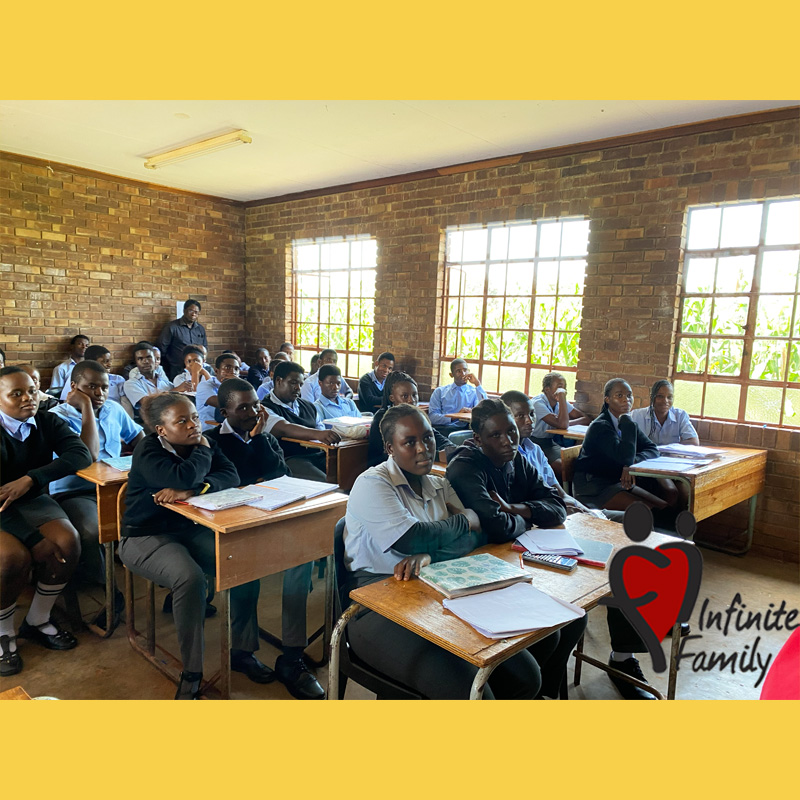
For the our Net Buddies, growing up in townships in Alexandra, Johannesburg South, and Khayelitsha, the echoes of 1976 are closer than they might seem. The same communities. The same streets. Different battles but the same determination.
We asked some of our Net Buddies what Youth Day means to them, and this what they had to say:
Lesego reflected with remarkable honesty: “Youth Day is a very important day, one that reminds me how little I know about the sacrifices made for the education I enjoy today. I sit in class, comfortable and grateful, but unaware of the struggles and courage it took for people before me to make that possible.”
Her words are a gift [and] reminder that awareness of the past is the first step toward honouring it.
Nyamanda sees Youth Day as something living and forward-looking: “It is a day that has allowed us as the youth of South Africa to have a voice to speak up and address the injustices that we face as young people, and to let the world hear us. Youth Day means that we are the leaders and the future.”
Quinton put it simply and beautifully. To him, Youth Day means: “celebrating being young and hopeful for a greater future.”
Together, these voices tell a story of teens who are not passive recipients of history, but active participants in shaping what comes next.
At Infinite Family, we believe that South Africa’s teens don’t need sympathy they deserve opportunity. Every weekly Video Conversation between a Net Buddy and their online Mentor is a small act of justice. Every skill built, every qualification earned, every young person who becomes the first in their family to graduate or hold a stable job these are the answers to 1976’s question: Was it worth it?
Yes. Always yes.
This Youth Day, we honour the students of Soweto uprising by continuing to show up — online, on the ground, and in the corner of every Net Buddy who is working hard to build a future that those brave young people could only dream of.
To our Net Buddies: you are the leaders and the future. We see you. We believe in you.
Happy Youth Day.